Sprinkler Water Usage Calculator: Estimate Irrigation & Lawn Water Use
Calculate the total water usage of your sprinkler system based on flow rate, run time, number of zones, and watering frequency. This tool helps you estimate gallons per minute, total gallons per watering session, monthly usage, and approximate irrigation costs.
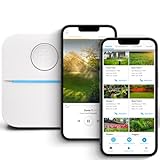
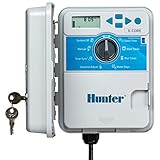
List of the Best Sprinkler Controller:



Comprehensive Guide to Sprinkler Water Usage & Irrigation Efficiency
Understanding sprinkler water usage is essential for maintaining a healthy landscape while managing water resources and costs. Whether you're a homeowner with a small lawn or a property manager overseeing large green spaces, knowing how much water your sprinkler system consumes empowers you to make informed decisions about irrigation scheduling, system upgrades, and water conservation. This guide dives deep into the factors that influence sprinkler water consumption, provides practical tips for reducing waste, and explains how our calculator estimates your system's water footprint.
How Sprinkler Water Usage is Calculated
At its core, sprinkler water usage is determined by a few key variables: flow rate (gallons per minute), number of zones, run time per zone, and watering frequency. The calculator multiplies these factors to provide a clear picture of your water consumption. Here's the breakdown: Total water per zone per watering = Flow Rate (GPM) × Minutes per zone. Multiply by the number of zones to get total per watering session. Then, multiply by days per week and weeks per year to estimate monthly and yearly usage. The cost estimate uses your local water rate (per 1000 gallons) to translate usage into dollars.
While this formula is straightforward, real-world conditions often introduce variability. Pressure fluctuations, nozzle wear, and even wind can affect actual flow rates. Our calculator uses the flow rate you provide as a baseline, allowing you to adjust based on your system's measured performance. We recommend using a flow meter or checking your water meter during a zone run to get the most accurate GPM reading for your system.
| Factor | Impact on Usage | Typical Values |
|---|---|---|
| Flow Rate (GPM) | Directly proportional: higher flow = more water | 1–5 GPM (small spray), 5–15 GPM (rotor), 10+ GPM (large zones) |
| Number of Zones | More zones = more total water if run times are similar | 4–8 zones for average home; larger properties may have 10+ |
| Run Time (minutes) | Longer run times increase water use per zone | 10–20 min for spray heads, 20–40 min for rotors |
| Watering Frequency (days/week) | More days = proportionally more water | 2–3 days/week in summer, less in spring/fall |
| Season Length (weeks) | Longer active season = higher annual use | 20–30 weeks in temperate climates, up to 52 weeks in arid regions |
| Water Cost ($/1000 gal) | Directly affects operating expense | $1.50–$5.00 depending on municipality |
Understanding Flow Rate and System Design
The flow rate of your sprinkler system is determined by the number and type of sprinkler heads operating simultaneously on a zone. Spray heads typically use 1–3 GPM each, while rotors can use 5–15 GPM depending on the nozzle and pressure. To calculate your system's total flow, sum the GPM of all heads on a single zone. Most residential systems are designed with a maximum flow of 10–20 GPM per zone to avoid pressure loss.
Pressure is another critical factor: higher pressure increases flow (and water use), but also may cause misting and evaporation losses. Installing pressure regulators can help maintain optimal performance and reduce waste. Additionally, using matched precipitation rate nozzles ensures even water distribution across zones, avoiding over-watering in some areas and under-watering in others.
Estimating Water Depth: Inches per Watering
One of the most useful metrics for irrigation management is the amount of water applied per zone, measured in inches of depth. This is calculated by converting the total gallons applied to the area (in square feet) into inches. One inch of water over one square foot equals approximately 0.623 gallons. So, if you apply 1000 gallons to a 5000 sq ft lawn, that's about 0.32 inches of water. Most lawns need about 1–1.5 inches of water per week, including rainfall. By comparing your calculated depth to your lawn's needs, you can fine-tune your watering schedule.
| Lawn Type | Weekly Water Need (inches) | Watering Frequency | Best Practices |
|---|---|---|---|
| Cool-season grasses (fescue, rye) | 1.0–1.5 inches | 2–3 times per week | Water deeply, infrequently to encourage deep roots |
| Warm-season grasses (bermuda, zoysia) | 0.8–1.2 inches | 2 times per week | Drought-tolerant; adjust for heat stress |
| Native / drought-tolerant landscapes | 0.5–0.8 inches | 1–2 times per week | Water only during extended dry periods |
| Vegetable gardens / flower beds | 1.0–1.5 inches | 2–3 times per week | Consistent moisture is key; consider drip irrigation |
| New sod / seedlings | 1.5–2.0 inches | Daily or every other day | Keep soil moist until established |
Water Conservation & Efficiency Strategies
Reducing sprinkler water usage doesn't mean sacrificing a healthy landscape. Smart irrigation practices can save thousands of gallons annually while maintaining lush, vibrant greenery. Here are proven strategies to improve efficiency:
- Install a smart controller: These use weather data and soil moisture sensors to adjust watering schedules automatically, cutting water use by up to 30%.
- Use drip irrigation for plant beds: Drip systems deliver water directly to roots with minimal evaporation, making them 90% efficient compared to 50–60% for traditional sprays.
- Check for leaks and broken heads: A single broken head can waste 1–2 GPM, adding up to hundreds of gallons per month.
- Adjust sprinkler angles: Ensure heads are not watering pavement, driveways, or buildings.
- Group plants by water needs: Hydrozoning separates high-water plants from low-water ones, so you don't overwater drought-tolerant species.
- Water early morning (4–6 AM): This reduces evaporation and wind drift, and improves water absorption.
- Perform an irrigation audit: Measure precipitation rates and uniformity using catch cups to identify under- or over-watered areas.
Seasonal Adjustments & Weather Influence
Watering needs vary dramatically throughout the year. During spring and fall, cooler temperatures and more frequent rainfall mean you can reduce watering frequency. Summer heat, however, demands more frequent irrigation, especially for cool-season grasses. Our calculator includes a "weeks per year" input to account for seasonal usage patterns. Many homeowners also reduce watering during rainy weeks or install rain sensors that automatically shut off the system when adequate rainfall has occurred.
In regions with water restrictions, understanding your usage is critical. Some municipalities limit watering to specific days or times, and overuse can result in fines. Our tool helps you stay within local guidelines by estimating your water consumption and comparing it to typical allowances.
Cost Analysis: How Much Does Sprinkler Water Cost?
Water costs vary widely by location, but the average US household pays about $1.50 to $5.00 per 1000 gallons. For a typical suburban lawn with 4 zones, each running 15 minutes, three days a week, at a flow rate of 8 GPM, the weekly usage is around 4 × 15 × 8 × 3 = 1,440 gallons. Over a 26-week season, that's 37,440 gallons, costing between $56 and $187 per year. Larger properties or longer run times can easily double or triple that figure. By optimizing your schedule and upgrading to efficient heads, you can significantly reduce both water and money spent.
Common Sprinkler System Mistakes
Even well-designed systems can waste water if not properly managed. Here are frequent errors and how to avoid them:
- Overwatering: Many homeowners water too frequently or too long. Use the "deep and infrequent" approach to encourage deep root growth.
- Ignoring rainfall: Not adjusting for rain is a leading cause of waste. Use a rain gauge or smart controller.
- Improper head selection: Using spray heads for large areas or rotors for small patches leads to inefficiency. Match head type to zone size.
- Clogged nozzles: Dirt and debris can reduce flow or create uneven spray patterns, leading to dry spots and overcompensation.
- No backflow prevention: Not only a safety hazard, but backflow issues can also affect system pressure and performance.
- Uneven coverage: Overlapping patterns or gaps waste water and create brown patches.
Environmental Impact of Sprinkler Irrigation
Outdoor water use accounts for nearly 30% of residential water consumption in the US, and up to 50% in some arid states. Much of this water is lost to evaporation, runoff, or overspray. By using our calculator and adopting water-wise practices, you can reduce your environmental footprint and help preserve local water resources. Additionally, reducing runoff minimizes the transport of fertilizers and pesticides into stormwater systems, protecting waterways and aquatic ecosystems.
Rainwater harvesting, graywater systems, and xeriscaping are complementary strategies that further reduce the demand for potable water in irrigation. Even simple measures like adjusting your mower height (keeping grass taller shades roots and reduces evaporation) can make a noticeable difference.
Advanced Metrics: Precipitation Rate & Distribution Uniformity
For those who want to dive deeper, calculating precipitation rate (inches per hour) and distribution uniformity (DU) can help fine-tune system performance. Precipitation rate is calculated as (GPM × 96.3) ÷ area (sq ft). Distribution uniformity measures how evenly water is applied across the zone. A DU above 0.7 is considered good; if yours is lower, you may have clogged heads, wrong nozzle sizes, or pressure issues. Improving DU ensures that all areas receive adequate moisture, eliminating dry spots and reducing the temptation to overwater.
Our calculator provides an estimated depth per watering based on the area you enter, giving you a practical metric to compare against your lawn's needs. Use this number to adjust run times up or down—if the depth is below 0.5 inches, consider increasing run time; if above 1 inch, you might be overwatering.
Frequently Asked Questions About Sprinkler Water Usage
How can I measure my sprinkler's flow rate without special tools?
You can use your water meter. First, turn off all indoor water use. Then, note the meter reading, run one zone for 10 minutes, and read the meter again. Subtract the starting value, divide by 10 to get gallons per minute. This method works best if you have a digital or dial meter with a flow indicator.
What is a typical water usage for a residential sprinkler system?
A typical home with 4–6 zones, running 15–20 minutes per zone, 2–3 days a week, uses about 8,000–12,000 gallons per month during peak summer. This equates to roughly 60–100 gallons per minute-hour of operation. Our calculator provides a more precise estimate based on your specific inputs.
How do I know if I'm overwatering?
Signs of overwatering include: pooling water, runoff, fungal diseases, yellowing leaves, or weeds that thrive in moist conditions. Additionally, if your lawn feels spongy or you see mushrooms, you're likely applying too much water. Reducing run time or frequency can help.
Does sprinkler type affect water usage significantly?
Yes. Rotors and MP Rotators generally have lower precipitation rates than spray heads, so they require longer run times but apply water more efficiently with less runoff. Drip irrigation is the most efficient, with almost zero evaporation loss. The calculator lets you select a type for reference, but we recommend using actual GPM for accuracy.
How often should I water my lawn during a drought?
During drought, it's best to follow local restrictions. In general, water deeply (0.75–1 inch) once a week to encourage deep roots, and skip watering if rain is forecast. Consider letting warm-season lawns go dormant—they will recover when rain returns.
Can I reduce water usage without harming my landscape?
Absolutely. Many lawns can survive with 30–50% less water than commonly applied. Strategies include: mowing higher (3–4 inches), aerating compacted soil, applying compost to improve water retention, and using drought-tolerant grass species. Gradual reductions allow plants to adapt.
What's the best time of day to water?
Early morning (4–9 AM) is optimal because temperatures are cool, winds are calm, and water pressure is often higher. Midday watering loses up to 30% to evaporation, and evening watering can promote fungal diseases.
How does pressure affect sprinkler water usage?
Higher pressure increases flow rate and water usage, but can also cause misting (evaporation) and poor distribution. Most heads are designed for 30–40 PSI. Installing a pressure regulator on your system can save water and improve coverage.
Is it worth upgrading to a smart irrigation controller?
Yes. Studies show smart controllers can reduce outdoor water use by 20–40% by automatically adjusting schedules based on weather, soil moisture, and plant needs. Many are eligible for rebates from water utilities, making them a cost-effective upgrade.
What maintenance can I do to save water?
Regularly inspect and clean nozzles, adjust heads to avoid overspray, replace broken heads, and check for leaks in valves and pipes. Also, adjust timers seasonally and reset your controller after power outages.
Water Budgeting and Planning
By estimating your sprinkler water usage, you can create a water budget that aligns with your utility allowances and sustainability goals. Use our calculator to set a baseline and then experiment with reduced run times or fewer watering days to see potential savings. Many water providers offer free irrigation audits and rebates for efficient equipment, so check with your local utility.
Understanding the Results from Our Calculator
When you click "Calculate", we provide a comprehensive summary: total gallons per watering session, monthly and yearly totals, estimated cost, and depth of water applied (if you entered area). The recommendations section suggests ways to optimize your system, like adjusting run times based on the calculated depth or transitioning to more efficient heads. If your usage seems high, consider reducing run time by 20% and monitor your lawn's health—you may be surprised by the results.
Remember, every system is unique. Factors like soil type (clay holds water longer than sand), slope (runoff on hills), and shade (less water needed) all affect actual requirements. Use our calculator as a starting point, and fine-tune by observing your landscape's response.
Final Thoughts
Efficient irrigation is a blend of science and observation. Our Sprinkler Water Usage Calculator is designed to give you a clear, data-driven picture of your water consumption, helping you make smarter decisions for your landscape and your wallet. With the insights provided in this guide, you're well-equipped to reduce waste, save money, and contribute to water conservation efforts in your community. Happy watering!