Sprinkler Pipe Size Calculator: Estimate Diameter, Flow & Pressure Loss
Design efficient irrigation pipelines with proper pipe sizing. Calculate recommended pipe diameter based on flow rate, pipe length, and allowable pressure loss. This tool helps you select the right pipe size to minimize friction losses and ensure adequate pressure at sprinkler heads.
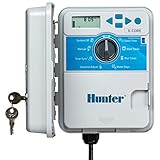
List of the Best Sprinkler Controller:




Comprehensive Guide to Sprinkler Pipe Sizing & Hydraulic Design
Proper pipe sizing is essential for any sprinkler system. Undersized pipes cause excessive pressure loss, poor sprinkler performance, and uneven watering. Oversized pipes waste money on materials and increase installation costs. This guide covers everything you need to know about selecting the right pipe diameter for your irrigation system, including flow capacity, friction loss, velocity, and pressure management.
Why Pipe Size Matters
The size of your irrigation pipes directly affects system performance in several ways:
- Pressure at sprinkler heads: Smaller pipes create more friction loss, reducing the pressure available at the heads.
- Flow capacity: Each pipe size can only carry a certain flow rate before velocity becomes too high.
- Water velocity: High velocity (over 5-7 ft/sec) causes excessive friction loss and can damage pipes.
- System efficiency: Proper sizing ensures uniform water distribution across all zones.
- Cost: Larger pipes cost more, but smaller pipes may require more pumping energy.
Understanding Pressure Loss in Pipes
Pressure loss (friction loss) occurs as water flows through pipes. The main factors are:
- Flow rate (GPM): Higher flow creates more friction.
- Pipe diameter: Smaller diameter causes more friction.
- Pipe length: Longer pipes have more friction loss.
- Pipe material: Smooth materials (PVC, poly) have less friction than rough materials (galvanized steel).
- Fittings: Each elbow, tee, or valve adds resistance equivalent to extra pipe length.
- Elevation change: Water going uphill loses pressure (0.433 PSI per foot).
The Hazen-Williams equation is commonly used to calculate friction loss in irrigation pipes. Our calculator uses this method with standard C-factors for different materials.
| Pipe Material | Hazen-Williams C-Factor | Roughness | Typical Use |
|---|---|---|---|
| PVC (Smooth) | 150 | Very Smooth | Mainlines, residential |
| Polyethylene / Poly | 140 | Smooth | Flexible pipe, cold climates |
| Copper | 140 | Smooth | Indoor, small systems |
| Galvanized Steel | 100 | Rough | Older systems, high pressure |
Recommended Pipe Sizes by Flow Rate
Here are general guidelines for pipe sizing based on flow rate and maximum velocity (5 ft/sec):
| Pipe Size (inches) | Max Flow (GPM) at 5 ft/sec | Pressure Loss (PSI per 100 ft) | Best For |
|---|---|---|---|
| ¾" | 8 – 10 | 2.5 – 4.5 | Short runs, small zones |
| 1" | 14 – 18 | 1.5 – 3.0 | Most residential zones |
| 1¼" | 22 – 28 | 0.8 – 1.8 | Large zones, mainlines |
| 1½" | 32 – 40 | 0.5 – 1.2 | Commercial, large properties |
| 2" | 55 – 65 | 0.3 – 0.8 | Mainlines, commercial |
How to Use the Pipe Size Calculator
Follow these steps to get the best results from our calculator:
- Enter the flow rate (GPM) for the pipe section (zone flow or mainline flow).
- Enter the pipe length from the water source to the farthest head.
- Select the pipe material to determine the friction factor.
- Choose a maximum velocity (5 ft/sec is standard).
- Enter the allowable pressure loss for the zone (typically 5-15 PSI).
- Provide the source pressure and desired head pressure.
- Add elevation change if the pipe goes uphill or downhill.
- Enter the number of fittings for equivalent length adjustment.
- Click "Calculate Pipe Size" to see recommendations.
Understanding Velocity and Its Impacts
Water velocity in pipes should be kept within certain limits:
- Below 5 ft/sec: Ideal for most irrigation systems. Provides low friction loss and quiet operation.
- 5-7 ft/sec: Acceptable for short runs, but friction loss increases noticeably.
- 7-10 ft/sec: High velocity that can cause water hammer, noise, and excessive pressure loss.
- Above 10 ft/sec: Not recommended. Risk of pipe damage and severe pressure loss.
Our calculator includes a velocity check and recommends pipe sizes that keep velocity within your selected limit.
Friction Loss and Equivalent Length
Friction loss is calculated using the Hazen-Williams equation. The calculator also accounts for:
- Equivalent length of fittings: Each fitting adds resistance equal to a certain length of straight pipe.
- Elevation change: 1 foot of elevation gain = 0.433 PSI pressure loss.
- Total friction loss: Sum of pipe friction + fitting losses + elevation losses.
The calculator compares the estimated total pressure loss to your allowable loss and recommended pipe size.
Pressure Analysis and System Design
After calculating the recommended pipe size, analyze the pressure at the sprinkler heads:
- Pressure at farthest head = Source Pressure - Total Losses
- If pressure at the head is below the minimum required, you need:
- Larger diameter pipe (to reduce friction)
- Shorter pipe runs (re-route or add zones)
- Higher source pressure (booster pump)
- Lower-flow heads (reduce flow demand)
Common Pipe Sizing Mistakes
- Undersizing pipes: Using ¾" pipe for zones that need 1" or larger.
- Oversizing pipes: Using 1½" pipe for a small zone that only needs 1".
- Ignoring pressure losses: Not accounting for friction, fittings, and elevation.
- Using mismatched pipe sizes: Reducing pipe size at the end of a run creates bottlenecks.
- Forgetting about fittings: Each fitting adds significant equivalent length.
- Not considering future expansion: Design with some capacity for additional heads.
Pipe Sizing for Mainlines vs. Zones
Mainlines carry water from the source to the manifold. They typically carry the full system flow and should be sized for:
- Full system flow rate (all zones combined)
- Lower velocity (3-5 ft/sec) to minimize pressure loss
- Future expansion (oversize if possible)
Zone lines carry water to individual sprinkler heads. They should be sized for:
- Zone flow rate (heads in that zone)
- Balanced pressure across the zone
- Keep velocity under 5 ft/sec
Frequently Asked Questions About Pipe Sizing
What size pipe should I use for my sprinkler system?
For most residential zones, 1" pipe is recommended. Use ¾" only for very small zones (< 8 GPM) and 1¼" or larger for mainlines or large zones.
How much pressure loss is acceptable?
Typically 5-15 PSI per zone. Total system pressure loss should be less than 20% of source pressure.
What happens if I use too small a pipe?
You'll experience low pressure at sprinkler heads, poor coverage, and excessive water waste. Heads may not pop up fully.
Can I use flexible pipe (poly) for my system?
Yes, polyethylene pipe is common in residential systems, especially in colder climates where freezing is a concern.
How do I calculate friction loss?
Use the Hazen-Williams equation with the C-factor for your pipe material. Our calculator does this automatically.
Does elevation change affect pipe sizing?
Yes, each 1 foot of elevation gain requires 0.433 PSI of pressure. Uphill runs may require larger pipes to maintain flow.
How many fittings should I account for?
Count all elbows, tees, valves, and adapters. Each adds equivalent length: 90° elbow ≈ 2-3 ft, tee ≈ 5-10 ft.
What is the maximum flow for a 1" pipe?
At 5 ft/sec, a 1" pipe can carry about 14-18 GPM. At higher velocities, it can carry more, but friction loss increases.
Advanced: Hydraulic Design Considerations
For complex systems, consider these advanced factors:
- Pressure zones: If your property has large elevation changes, you may need multiple pressure zones with pressure regulators.
- Flow velocity at the pump: Match pipe size to pump output to avoid cavitation.
- Water hammer: Rapid valve closure can create pressure surges. Use slow-closing valves and air chambers.
- Pipe supports: Longer runs may need supports to prevent sagging and stress on fittings.
- Winterization: In cold climates, pipe size affects how easily the system can be blown out with compressed air.
Final Thoughts on Pipe Sizing
Proper pipe sizing is a critical step in sprinkler system design. By using our calculator and understanding the principles of hydraulic design, you can ensure your system delivers adequate pressure and flow to every head. Always verify calculations with manufacturer specifications and consider consulting a professional for complex installations. With the right pipe sizes, your irrigation system will perform efficiently for years.