Sprinkler System Installation Cost Calculator: Estimate Your Irrigation Project
Plan your irrigation system installation with confidence. Get a detailed cost breakdown including materials, labor, and total project cost based on your lawn size, zone count, head type, and site conditions. This tool helps you budget for a new sprinkler system or upgrade an existing one.
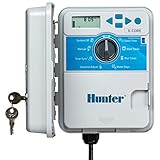
List of the Best Sprinkler Controller:




Comprehensive Guide to Sprinkler System Installation Costs
Installing a sprinkler system is a significant investment that can dramatically improve your landscape's health and curb appeal while saving water and time. Understanding the costs involved—from materials and labor to site-specific factors—is essential for budgeting and planning. This guide breaks down every component of sprinkler system installation costs, helping you make informed decisions whether you're hiring a professional or tackling the project yourself.
Average Sprinkler System Installation Costs
The total cost to install a sprinkler system typically ranges from $2,500 to $6,000 for a standard 1/4-acre lawn (about 10,000 sq ft). However, prices can vary widely based on location, system complexity, and quality of materials. Here's a general breakdown:
- Small lawn (under 5,000 sq ft): $2,000 – $4,000
- Medium lawn (5,000 – 15,000 sq ft): $4,000 – $8,000
- Large lawn (15,000 – 30,000 sq ft): $8,000 – $15,000+
- DIY installation: 40–60% less than professional, but requires significant time and effort
Our calculator provides a customized estimate based on your specific inputs, including lawn size, zone count, head type, site conditions, and quality level.
| Cost Component | Typical Range | Factors Affecting Cost |
|---|---|---|
| Materials (heads, pipes, valves) | $500 – $2,500 | Head type, quality, number of zones |
| Controller / Timer | $50 – $400 | Basic vs. smart controller, number of zones |
| Labor (professional) | $1,500 – $4,500 | Site conditions, complexity, local rates |
| Trenching / Excavation | $200 – $1,000 | Soil type, slope, obstacles |
| Permits & Inspections | $100 – $500 | Local regulations, backflow prevention |
| Extras (sensors, upgrades) | $50 – $500 | Rain sensors, smart features, drip zones |
| Total (professional) | $2,500 – $6,000+ | All factors combined |
Material Costs Breakdown
Materials typically account for 30–50% of the total installation cost. Here's what you're paying for:
- PVC or Polyethylene Pipe: $0.50 – $2.00 per foot. PVC is rigid and more durable; poly is flexible and easier to install in cold climates.
- Fittings & Connectors: $0.50 – $3.00 each. Includes elbows, tees, couplers, and adapters.
- Sprinkler Heads: $3 – $30 each. Spray heads ($3–$8), rotors ($10–$30), MP Rotators ($8–$15), drip emitters ($1–$3).
- Valves & Manifolds: $10 – $50 per valve. Anti-siphon valves are more expensive but required in many areas.
- Controller / Timer: $50 – $400. Basic timers start at $50; smart controllers with Wi-Fi range $150–$400.
- Backflow Preventer: $100 – $300. Required by code in most municipalities to prevent contamination.
- Wire & Connectors: $50 – $150. Low-voltage wiring connects the controller to valves.
Labor Costs and Factors
Labor is the largest cost component for professional installations, typically 40–60% of the total. Several factors influence labor costs:
- Regional labor rates: Urban areas and regions with higher cost of living have higher rates (e.g., $50–$100/hour vs. $30–$60/hour in rural areas).
- Soil conditions: Rocky or clay soils require more time and specialized equipment for trenching, increasing labor by 20–50%.
- Terrain and slope: Steep slopes slow down installation and may require additional supports, adding 10–30% to labor.
- Obstacles: Trees, sidewalks, driveways, and existing landscaping increase complexity and time.
- System complexity: More zones, drip areas, and custom features increase installation time.
Our calculator uses a base labor rate that adjusts based on your soil type, terrain, and utility access to provide a more accurate estimate.
DIY vs. Professional Installation
Deciding between DIY and professional installation depends on your budget, skills, and available time. Here are the pros and cons:
| Factor | DIY Installation | Professional Installation |
|---|---|---|
| Cost | 40–60% lower (materials only) | Higher (includes labor) |
| Time | 20–40 hours (weekends) | 2–5 days (less disruption) |
| Quality | Varies with skill level | Guaranteed, code-compliant |
| Warranty | Manufacturer warranty only | Labor and parts warranty |
| Permits | Requires self-management | Handled by contractor |
| Tools | May need to rent equipment | All tools included |
Additional Costs to Consider
Beyond materials and labor, there are several other costs that can impact your total budget:
- Permits and Inspections: $100–$500. Many cities require permits for irrigation systems, especially if connecting to the potable water supply.
- Backflow Prevention Device: $100–$300. Required by code in most areas to prevent water contamination.
- Soil Amendment: $50–$200. If your soil is compacted or rocky, you may need to add compost or sand for better drainage.
- Landscape Repair: $200–$1,000. After installation, grass and plants may need to be restored.
- Winterization (if applicable): $50–$150 annually. In cold climates, systems must be blown out with compressed air to prevent freezing.
- Smart Controller Upgrades: $150–$400. Adds weather-based scheduling and remote control.
Cost-Saving Tips
Here are practical ways to reduce your sprinkler system installation costs:
- Get multiple quotes: Compare at least 3–4 contractors to ensure competitive pricing.
- Choose budget-friendly materials: Standard PVC pipe and spray heads are more affordable than premium rotors or copper components.
- Opt for fewer zones: If your water pressure allows, use fewer, larger zones to reduce materials and labor.
- DIY the trenching: Rent a trencher and dig the lines yourself, then hire a pro for the plumbing and electrical work.
- Install in off-season: Contractors may offer discounts during spring or fall when demand is lower.
- Check for rebates: Many utilities offer rebates for water-efficient systems, smart controllers, and rain sensors.
- Keep the system simple: Avoid complex designs with many custom features that increase costs.
Understanding Your Estimate
Our calculator provides a comprehensive cost breakdown, including:
- Material Cost: Includes pipes, fittings, heads, valves, controller, wire, and backflow preventer.
- Labor Cost: Based on industry averages adjusted for soil, terrain, and access.
- Extras: Covers smart controllers, rain sensors, and other upgrades.
- Total Estimated Cost: The sum of all components, with a recommended contingency of 10–15% for unexpected issues.
Remember that this is an estimate. Actual costs may vary based on local market conditions, contractor pricing, and unforeseen site conditions. Always get a detailed written quote from your chosen contractor.
Frequently Asked Questions About Installation Costs
How much does it cost to install a sprinkler system per square foot?
On average, professional installation costs $2.50–$4.50 per square foot for a typical residential system. DIY can reduce this to $1.00–$2.00 per square foot for materials only.
How long does installation take?
A professional crew can install a typical residential system in 2–5 days. DIY projects typically take 20–40 hours over several weekends.
Do I need a permit for a sprinkler system?
Most municipalities require a permit for new irrigation systems, especially if connecting to the water supply. Check with your local building department.
What's the most expensive part of installation?
Labor is usually the largest cost, followed by materials. Complex site conditions can significantly increase labor costs.
Can I install a sprinkler system myself?
Yes, many homeowners successfully install DIY systems. However, it requires planning, physical labor, and knowledge of local codes. Start with a small project if you're new to irrigation.
How do I choose a contractor?
Look for licensed, insured contractors with positive reviews. Ask for references and detailed written estimates. Compare multiple bids before deciding.
What should I look for in a written estimate?
A good estimate should include a detailed breakdown of materials, labor costs, permits, timeline, and warranty information. Avoid vague or incomplete quotes.
Are there ongoing costs after installation?
Yes, annual maintenance includes winterization (if applicable), spring startup, and periodic repairs. Budget $100–$300 per year for maintenance.
Planning Your Sprinkler System Installation
Before you start, create a detailed plan that includes:
- Site survey: Measure your lawn, identify obstacles, and note slopes and sun exposure.
- Water source assessment: Measure flow rate (GPM) and pressure (PSI) at your outdoor spigot.
- Zone design: Group plants with similar water needs and design zones accordingly.
- Budgeting: Use our calculator to estimate costs and set a realistic budget.
- Permit application: Apply for necessary permits before starting work.
- Scheduling: Plan installation during mild weather to avoid frozen ground or extreme heat.
Regional Cost Variations
Installation costs vary significantly by region due to differences in labor rates, material availability, and local regulations. Our calculator includes a zip code field to help adjust for regional differences. As a general guide:
- Northeast / California: Higher labor rates, often 20–40% above national average.
- Midwest / South: Lower labor rates, closer to national average.
- Rural areas: May have lower labor rates but higher material shipping costs.
Final Thoughts on Sprinkler System Installation Costs
Installing a sprinkler system is a smart investment that increases property value, saves water, and reduces the time spent on lawn care. By understanding the cost components and using our calculator to get a detailed estimate, you can plan your project with confidence. Whether you choose DIY or professional installation, proper planning and quality materials will ensure your system performs efficiently for years to come.