Sprinkler Run Time Calculator: Optimize Irrigation Schedule & Water Savings
Calculate the optimal run time for your sprinkler zones based on precipitation rate, weekly water needs, and watering frequency. This tool helps you schedule irrigation efficiently, save water, and maintain a healthy landscape.
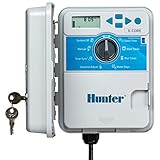
List of the Best Sprinkler Controller:




Comprehensive Guide to Sprinkler Run Time & Irrigation Scheduling
Determining the correct sprinkler run time is essential for maintaining a healthy landscape while conserving water. Too little water leads to dry, stressed grass; too much water wastes resources, promotes disease, and increases runoff. This guide covers everything you need to know about calculating optimal run times, understanding precipitation rates, and scheduling irrigation for maximum efficiency.
Why Run Time Matters
Proper run time ensures your lawn and plants receive the right amount of water. Key benefits include:
- Healthy root growth: Deep watering encourages roots to grow deeper, making plants more drought-tolerant.
- Water conservation: Avoid overwatering, which wastes water and increases utility bills.
- Disease prevention: Overwatering promotes fungal diseases, while underwatering causes stress.
- Cost savings: Optimized watering reduces water bills and system wear.
- Environmental protection: Reducing runoff prevents fertilizer and pesticides from entering waterways.
Understanding Precipitation Rate
The precipitation rate is the amount of water applied per hour, measured in inches per hour (in/hr). It is the key factor in determining run time. The formula is:
Precipitation Rate = (GPM × 96.3) ÷ Area (sq ft)
Different sprinkler heads have different precipitation rates:
- Spray heads: 1.5–2.5 in/hr (fast application)
- Rotors: 0.8–1.5 in/hr (slower, more efficient)
- MP Rotators: 0.4–0.8 in/hr (very slow, high uniformity)
- Drip irrigation: 0.1–0.4 in/hr (very slow, targeted)
| Head Type | Typical Precipitation Rate (in/hr) | Run Time for 1 Inch (minutes) | Best For |
|---|---|---|---|
| Spray / Fixed-head | 1.5 – 2.5 | 24 – 40 | Small lawns, flower beds |
| Rotor / Gear-driven | 0.8 – 1.5 | 40 – 75 | Large lawns, sports fields |
| MP Rotator / Rotary nozzle | 0.4 – 0.8 | 75 – 150 | Medium lawns, low runoff |
| Drip / Micro-irrigation | 0.1 – 0.4 | 150 – 600 | Garden beds, shrubs, trees |
Calculating Run Time
The basic formula for run time is:
Run Time (minutes) = (Weekly Water Need ÷ Precipitation Rate) × 60 ÷ Days per Week
For example, if your weekly water need is 1 inch, precipitation rate is 1.5 in/hr, and you water 3 days per week:
Run Time = (1 ÷ 1.5) × 60 ÷ 3 = 13.3 minutes per watering day
Our calculator handles these calculations automatically based on your inputs.
Weekly Water Needs by Grass Type
| Grass / Plant Type | Weekly Water Need (inches) | Watering Frequency | Best Practices |
|---|---|---|---|
| Cool-season grasses (fescue, rye, bluegrass) | 1.0 – 1.5 | 2 – 3 times per week | Water deeply, infrequently |
| Warm-season grasses (bermuda, zoysia, st. augustine) | 0.8 – 1.2 | 2 times per week | Drought-tolerant; adjust for heat |
| Native / drought-tolerant landscapes | 0.5 – 0.8 | 1 – 2 times per week | Water only during dry periods |
| Vegetable gardens / flower beds | 1.0 – 1.5 | 2 – 3 times per week | Consistent moisture; consider drip |
| New sod / seedlings | 1.5 – 2.0 | Daily or every other day | Keep soil moist until established |
Cycle & Soak Irrigation
For slopes, clay soils, or areas prone to runoff, cycle & soak is an effective technique:
- Split your run time into shorter cycles (e.g., 2–3 cycles).
- Allow time between cycles for water to soak into the soil.
- Prevents runoff and deep percolation losses.
- Typical cycle times: 5–15 minutes per cycle, with 30–60 minute soak periods.
- Most effective on slopes and heavy soils.
Seasonal Adjustments
Water needs change throughout the year:
- Spring: Moderate watering, 0.5–1.0 inches per week.
- Summer: Highest demand, 1.0–1.5 inches per week.
- Fall: Decreasing demand, 0.5–1.0 inches per week.
- Winter: Minimal or no watering in most climates.
Rainfall also affects watering needs. Use a rain gauge or smart controller to adjust automatically. Our calculator uses a "weeks per year" input to account for seasonal usage patterns.
Factors Affecting Run Time
Several factors influence how long you should water:
- Soil type: Sandy soils need shorter, more frequent watering; clay soils need longer, less frequent watering.
- Slope: Steeper slopes require shorter cycles and more soak time to prevent runoff.
- Sun exposure: South-facing, sunny areas dry out faster and may need more water.
- Wind: Windy conditions increase evaporation and drift, requiring longer run times.
- Shade: Shaded areas need less water than full-sun areas.
- Grass type: Different grasses have different water requirements.
Using the Sprinkler Run Time Calculator
Our calculator offers three modes:
- From Precipitation Rate: Enter your known precipitation rate (from design or catch-can test).
- From Flow Rate & Area: Enter zone flow and area to calculate precipitation rate automatically.
- From Bucket Test: Enter bucket size, fill time, and area per head to measure actual precipitation rate.
All modes calculate recommended run time, water usage, cost, and cycle recommendations.
Water Savings with Optimized Run Times
Optimizing run times can save significant amounts of water. For example:
- A typical lawn that is overwatered by 20% can waste 10,000+ gallons per year.
- Reducing run time by just 2 minutes per zone can save thousands of gallons annually.
- Using cycle & soak on slopes can reduce runoff and improve water absorption by 30–50%.
- Smart controllers with weather adjustment can save an additional 20–40%.
Common Run Time Mistakes
- Watering too frequently: Leads to shallow roots and disease.
- Watering too long: Causes runoff and deep percolation beyond the root zone.
- Not adjusting for rainfall: Continues watering even when raining.
- Ignoring precipitation rate: Using the same run time for different head types.
- Not using cycle & soak on slopes: Results in runoff and uneven coverage.
- Watering at the wrong time of day: Midday watering loses up to 30% to evaporation.
Frequently Asked Questions About Run Time
How long should I water my lawn each time?
Typically 15-30 minutes for spray heads, 30-60 minutes for rotors. Use our calculator for a precise recommendation based on your system.
How much water does my lawn need per week?
Most lawns need 1.0–1.5 inches of water per week, including rainfall. Adjust based on grass type, soil, and weather.
What is the best time of day to water?
Early morning (4–9 AM) is best. Temperatures are cool, winds are calm, and evaporation is minimal.
How do I know if I'm overwatering?
Signs include: pooling water, runoff, yellowing leaves, fungal diseases, and weeds that thrive in wet conditions.
How do I measure my precipitation rate?
Use the catch-can test: place several cans in the zone, run for 15 minutes, measure the water depth, and average the results.
What is cycle and soak?
Splitting the total run time into shorter cycles with soak periods in between. This prevents runoff and improves water absorption.
How often should I water in summer?
Typically 2-3 times per week, depending on heat and rainfall. Water deeply and less frequently to encourage deep roots.
Can I water too much in one session?
Yes. Applying more than 0.5 inches at once can cause runoff, especially on slopes or clay soils. Use cycle & soak to apply more slowly.
Watering Schedule Examples
Here are example watering schedules for common scenarios:
- Cool-season lawn, spray heads, 1.5 in/hr: 3 days/week, 13-15 minutes per session.
- Warm-season lawn, rotors, 1.0 in/hr: 2 days/week, 30 minutes per session.
- Sloped lawn, MP Rotators, 0.6 in/hr: 3 days/week, cycle & soak: 15 min × 3 cycles.
- Drip irrigation for flower beds, 0.3 in/hr: 2 days/week, 60-90 minutes per session.
Final Thoughts on Run Time
Finding the right sprinkler run time is a balance between plant needs, soil conditions, and water conservation. Use our calculator to get a recommended starting point, then observe your landscape and adjust accordingly. Regular monitoring and seasonal adjustments will keep your lawn healthy and your water bills low. Happy watering!